How Can I Get 20G of Protein in a Snack?
To get 20 grams of protein in a snack, you've got various tasty and convenient options. You can go for a cup of Greek yogurt, which offers roughly 20 grams of protein, or opt for a combination of cheese cubes—about three ounces will do the trick. If you prefer plant-based sources, a sizable serving of roasted chickpeas can nearly meet your goal. For the meat lovers, a couple of servings of jerky without added sugars are perfect. These choices not only boost your protein intake but also support muscle recovery and increase satiety. Explore these ideas further to find your favorite high-protein snacks.
Benefits of High-Protein Snacks
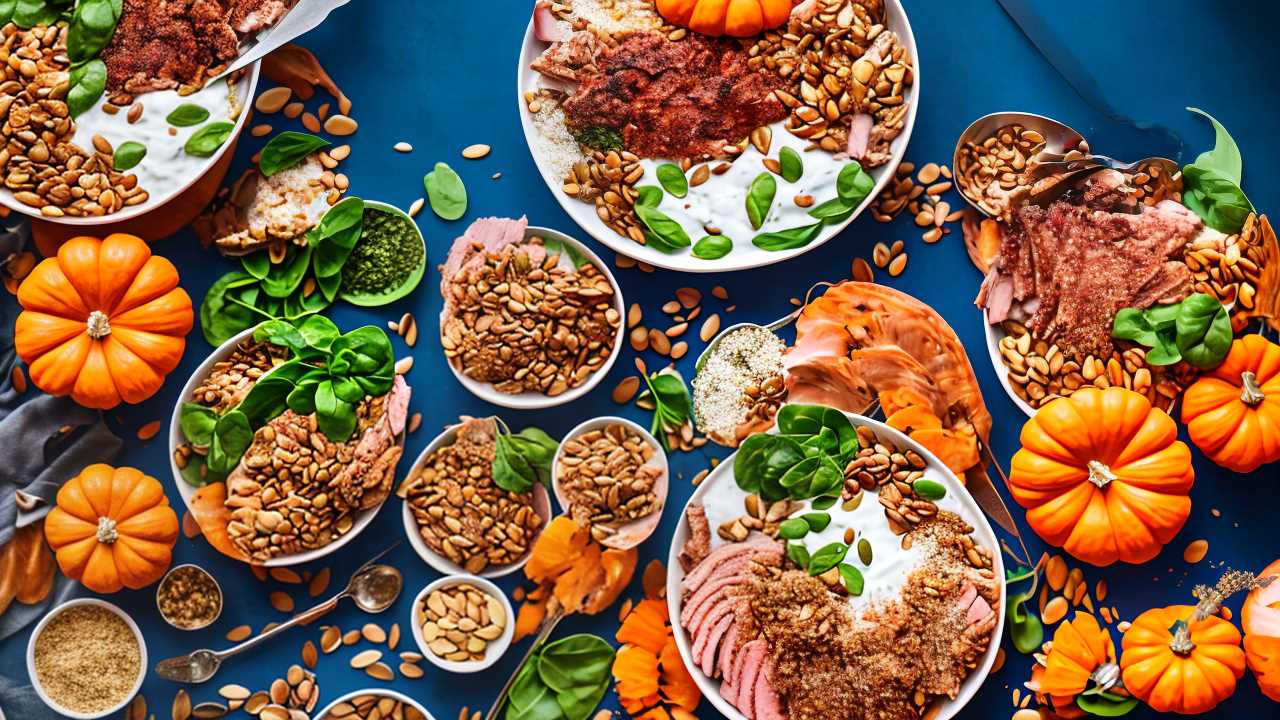
High-protein snacks can significantly enhance your nutritional intake, promoting longer-lasting energy and improved muscle health. When you're looking to support muscle recovery after a workout or manage your weight effectively, incorporating these snacks into your diet can be a game changer.
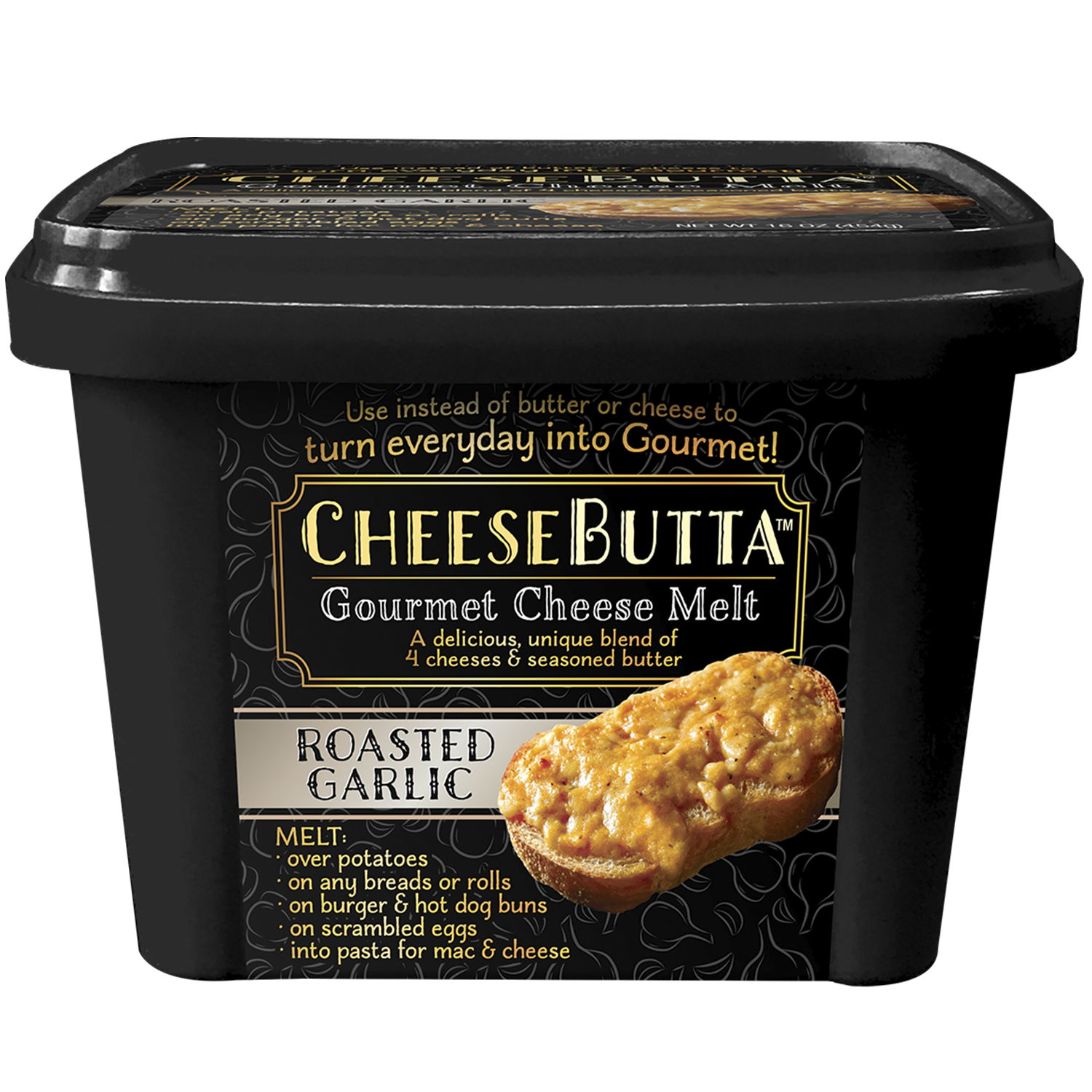
Protein is essential for repairing and building tissues, and it helps to keep you full, which can prevent overeating throughout the day. For those following a Keto diet, incorporating KETO friendly options like the CheeseButta products can complement your high-protein needs while adhering to dietary restrictions.
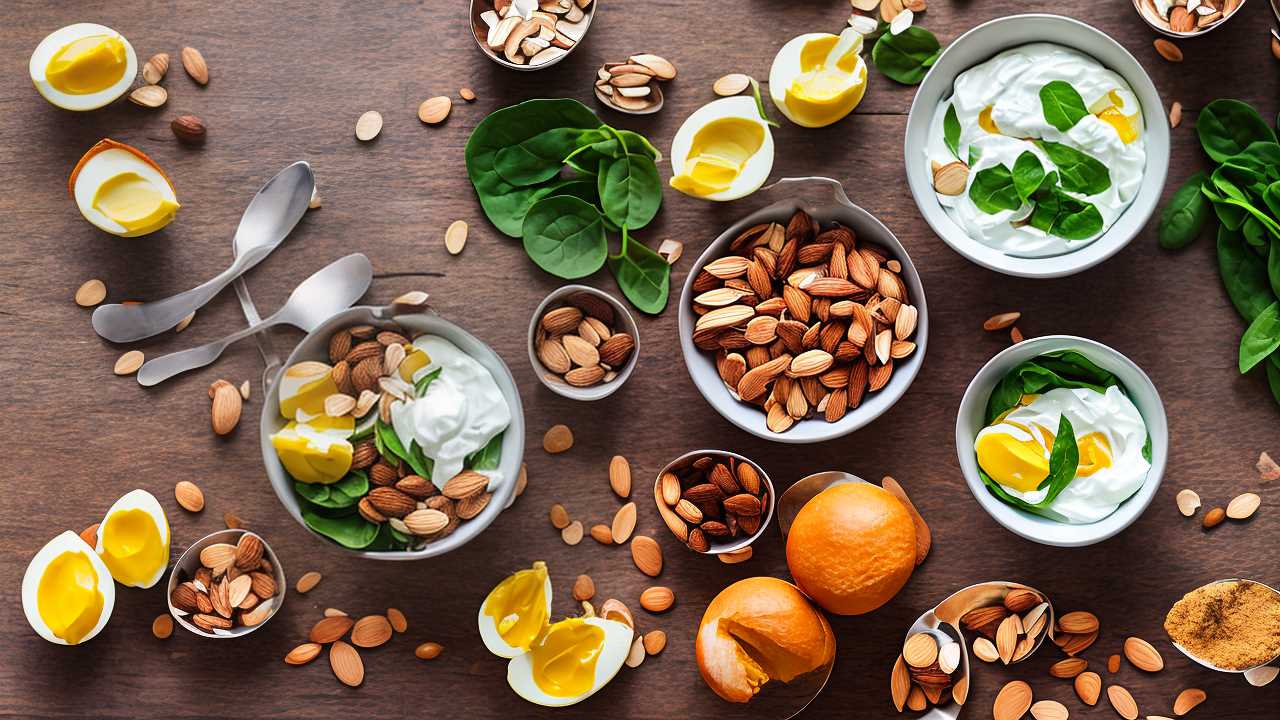
Consider adding plant-based options like nuts, seeds, and legumes to your snack rotation. Almonds, for instance, aren't only rich in protein but also provide healthy fats and fiber, aiding in satiety and digestion.
Chickpeas can be roasted with spices for a crunchy, protein-packed treat that's both delicious and nutritious.
For muscle recovery, timing is crucial. Consuming a high-protein snack within 30 minutes to an hour post-exercise can optimize the repair process. This window is when your muscles are most receptive to nutrients that repair microscopic damage from working out.
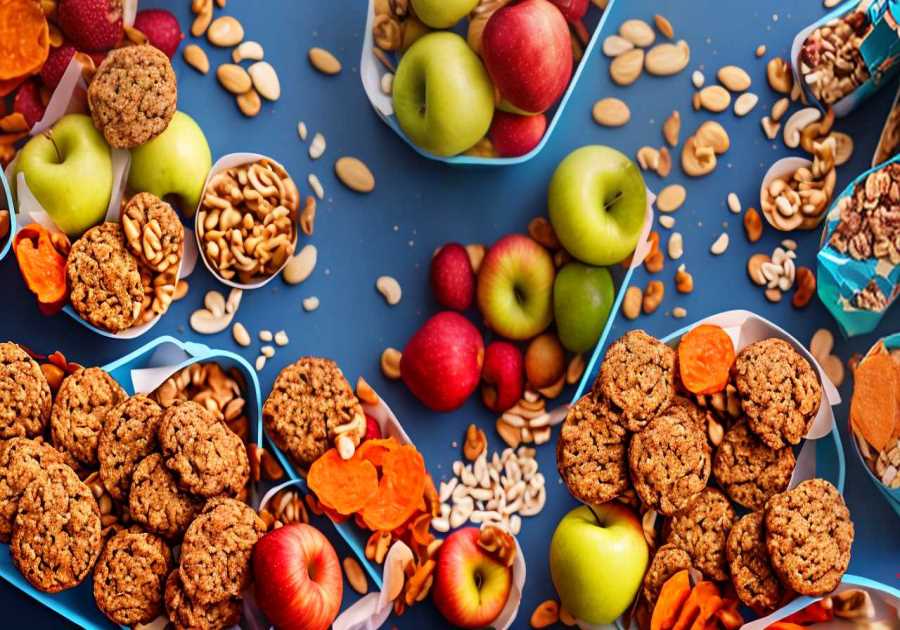
A simple, portable option could be a homemade trail mix with dried fruits, nuts, and seeds—all natural sources of protein that support muscle synthesis and recovery.
Weight management benefits from high-protein snacks as well. Protein-rich foods require more energy to digest, metabolize, and use, which means you burn more calories processing them compared to fats and carbohydrates.
This can contribute to a higher metabolic rate overall, helping you manage your weight more effectively.
Dairy-Based Protein Snacks
Dairy-based snacks are a superb source of high-quality protein that can fit seamlessly into your daily routine. If you're aiming to boost your protein intake through snacks, consider the richness and versatility of dairy products. They're not only packed with essential nutrients but also provide a pleasant taste that can satisfy your cravings while nourishing your body.
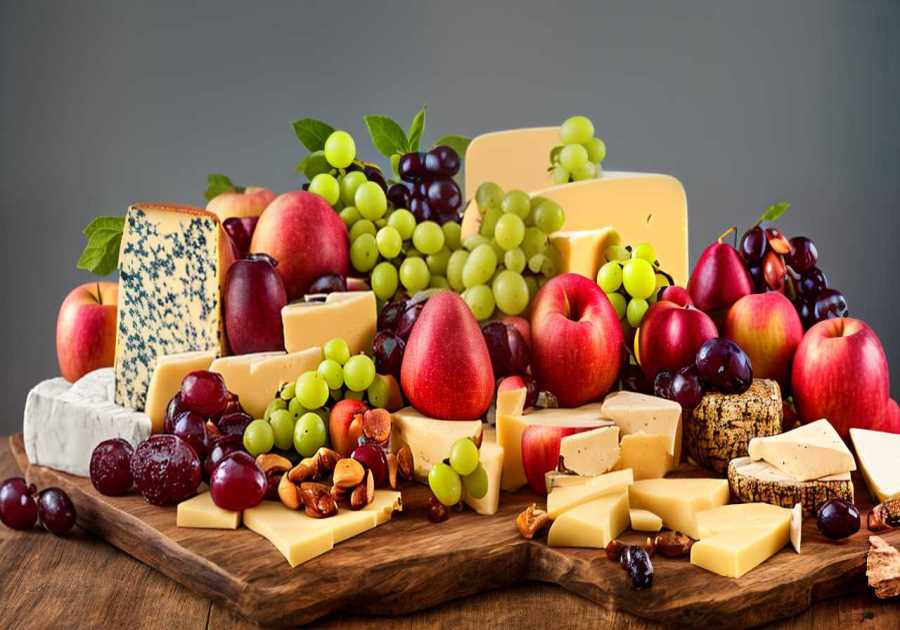
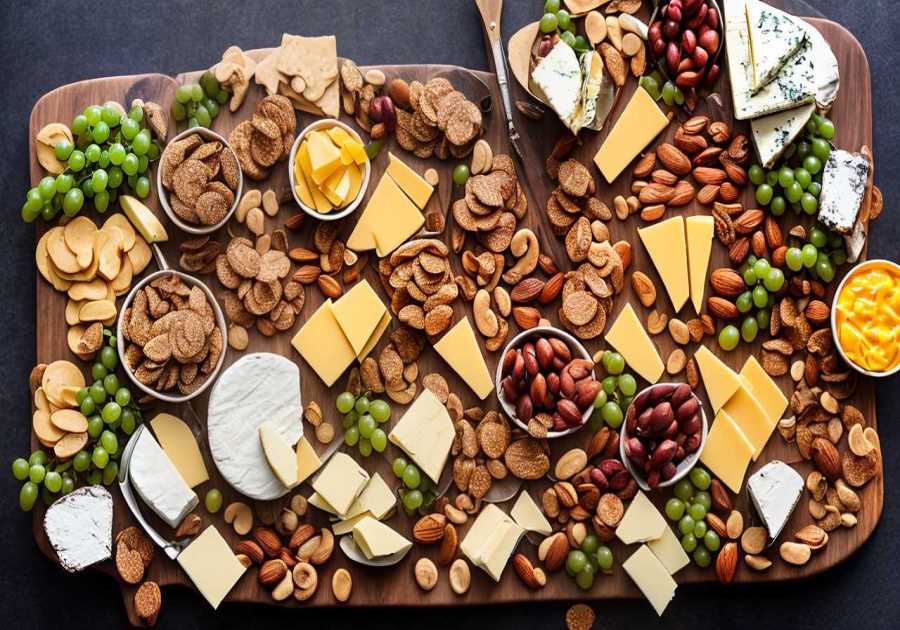
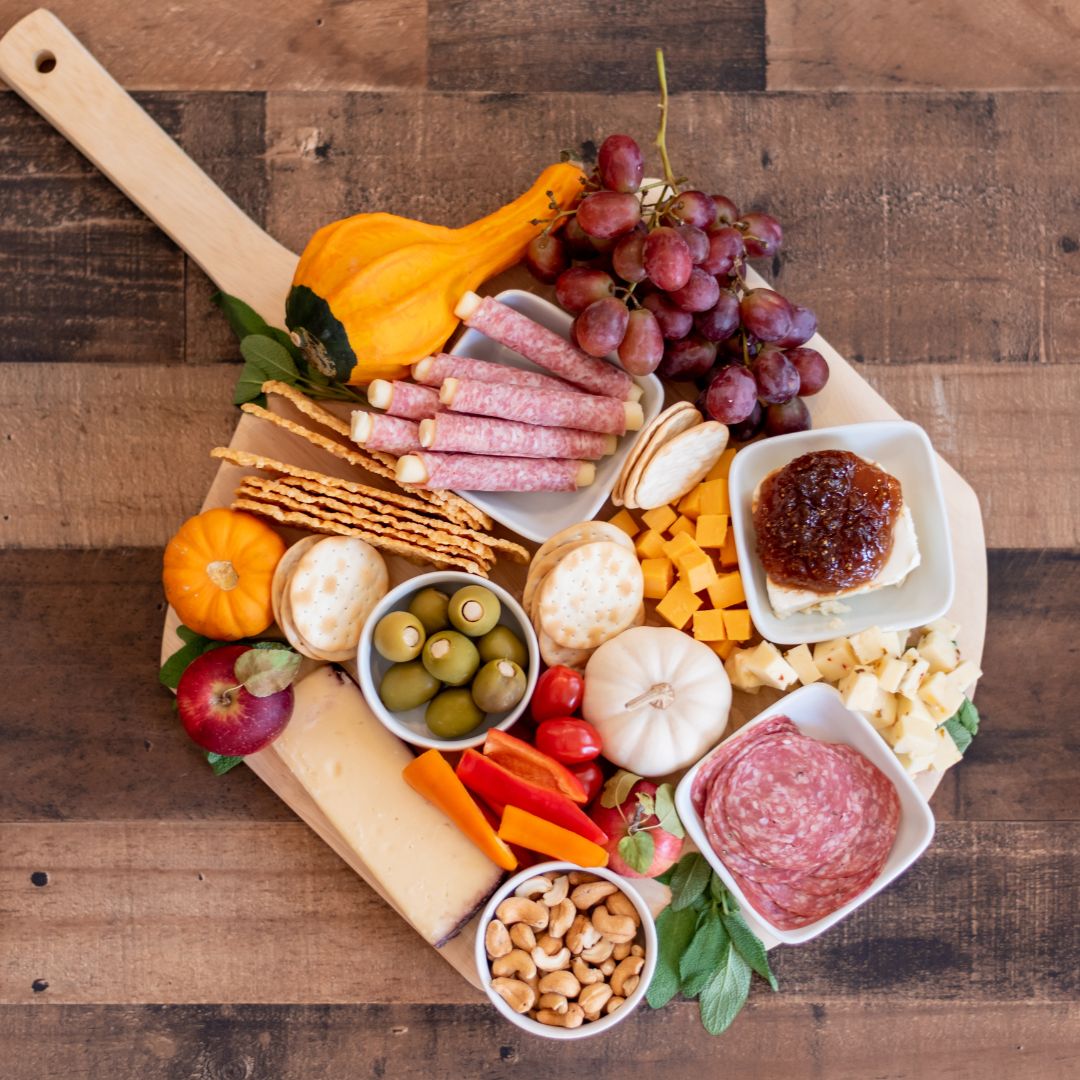
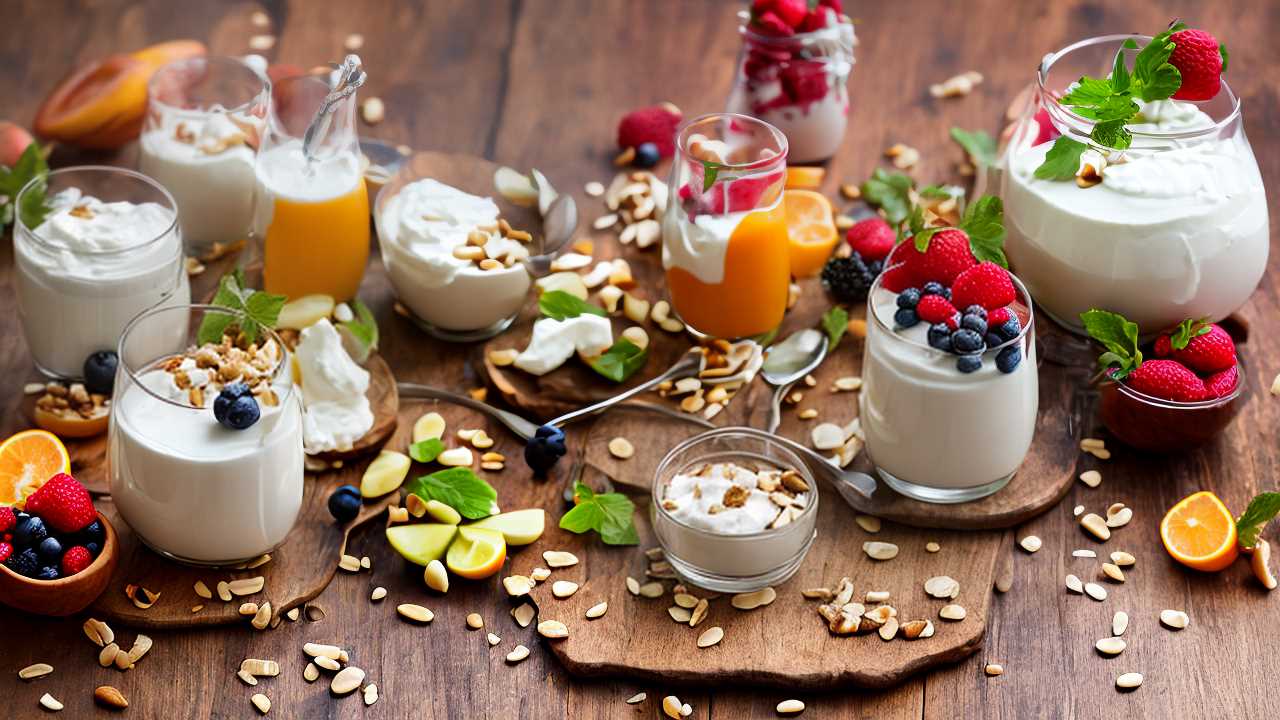
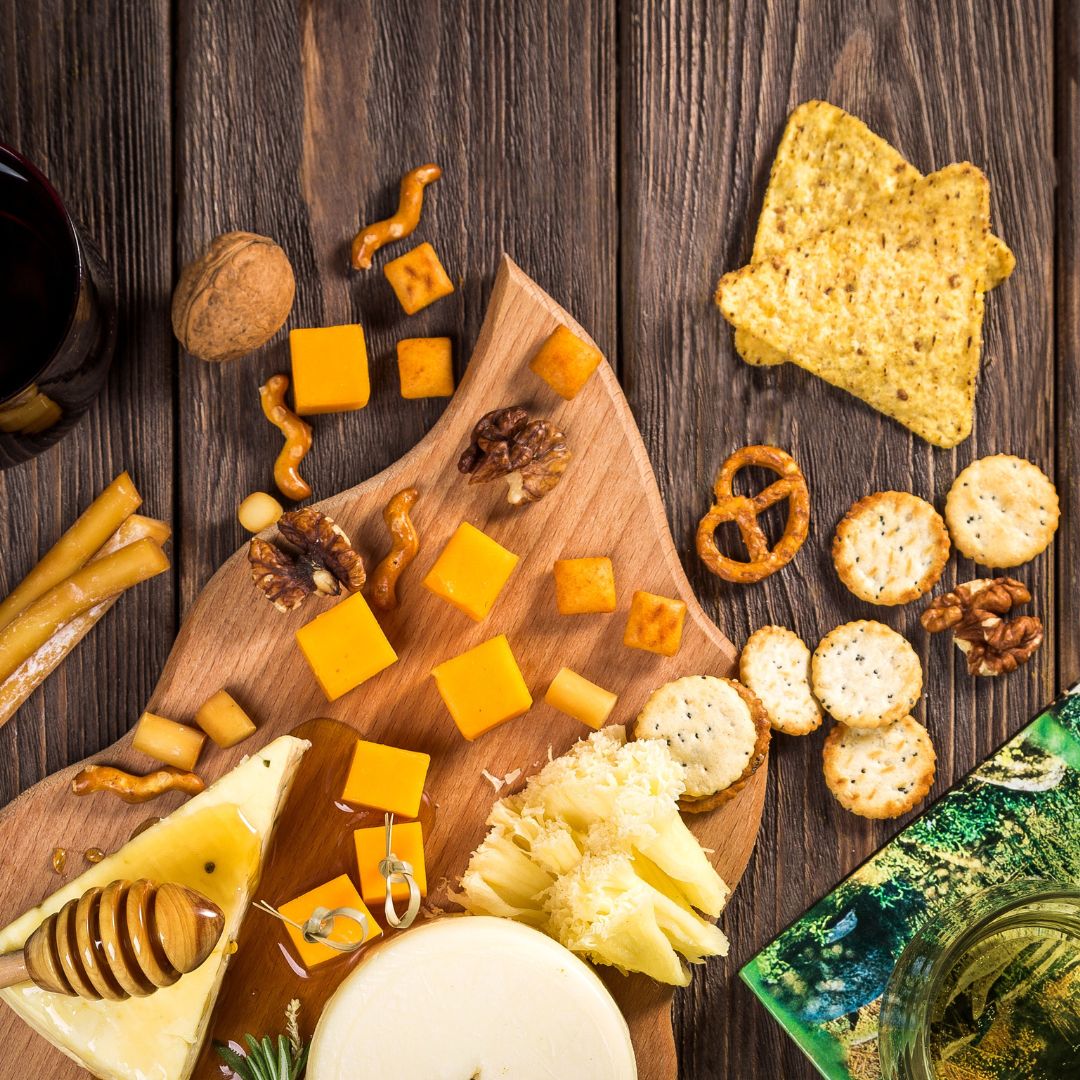
One simple and delicious option is yogurt parfaits. You can layer Greek yogurt, which packs about 10 grams of protein per 100 grams, with nuts and berries for a refreshing snack that easily adds up to 20 grams of protein. Similarly, cheese cubes offer a portable, high-protein snack that can be paired with fruits or whole-grain crackers. Opt for varieties like cheddar or gouda, which contain around 7 grams of protein per ounce.
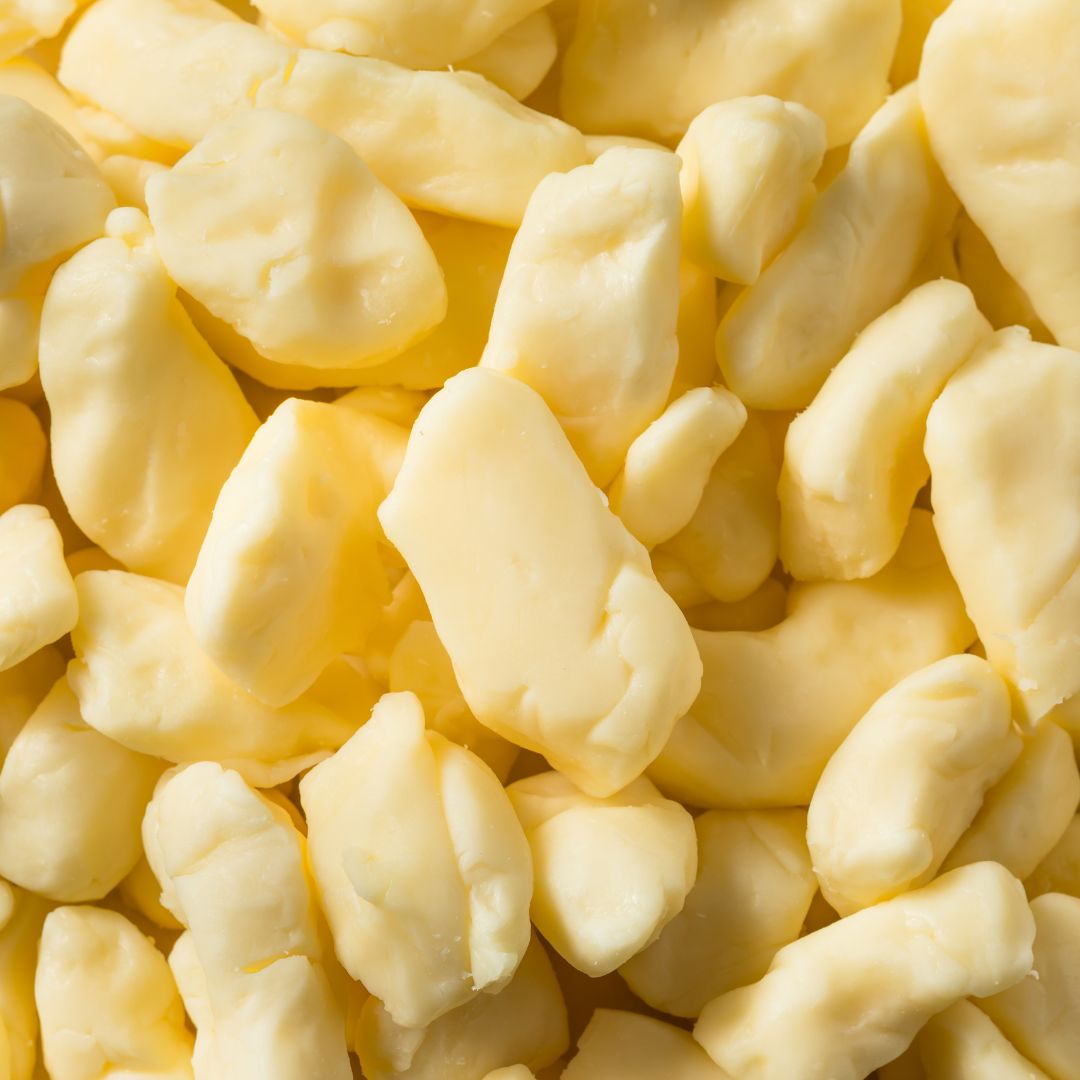
Additionally, for those looking to indulge in creamy textures and rich flavors, CheeseButta® Gourmet Cheese Melts and CheeseBall Bites could be an irresistible option, merging the convenience of cheese cubes with enhanced gourmet appeal.
Here are some practical ideas to incorporate dairy-based protein snacks into your diet:
- Greek Yogurt Bowls: Top with sliced almonds and a drizzle of honey for a balance of protein and a touch of sweetness.
- Cottage Cheese Creations: Mix with pineapple or peaches for a fruity twist that keeps you full.
- Cheese Cubes and Apple Slices: A classic pairing that offers a satisfying crunch with creamy goodness.
- Ricotta Spread: Spread on whole-grain toast and top with berries for a quick breakfast or snack.
- Skewered Mozzarella and Cherry Tomatoes: Drizzle with balsamic glaze for a tasty, protein-rich snack.
Incorporating these dairy delights into your snack routine isn't just tasty—it's a practical way to meet your dietary needs and help others do the same with nourishing, satisfying options.
Plant-Based Protein Options
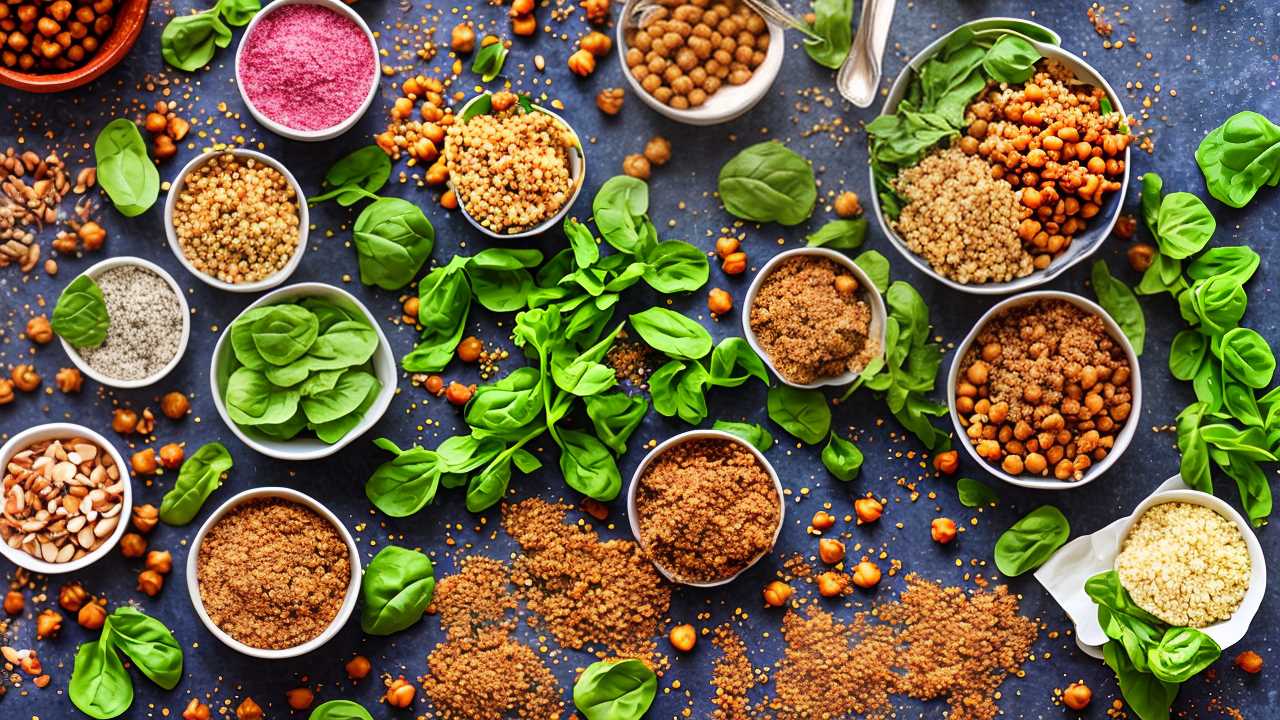
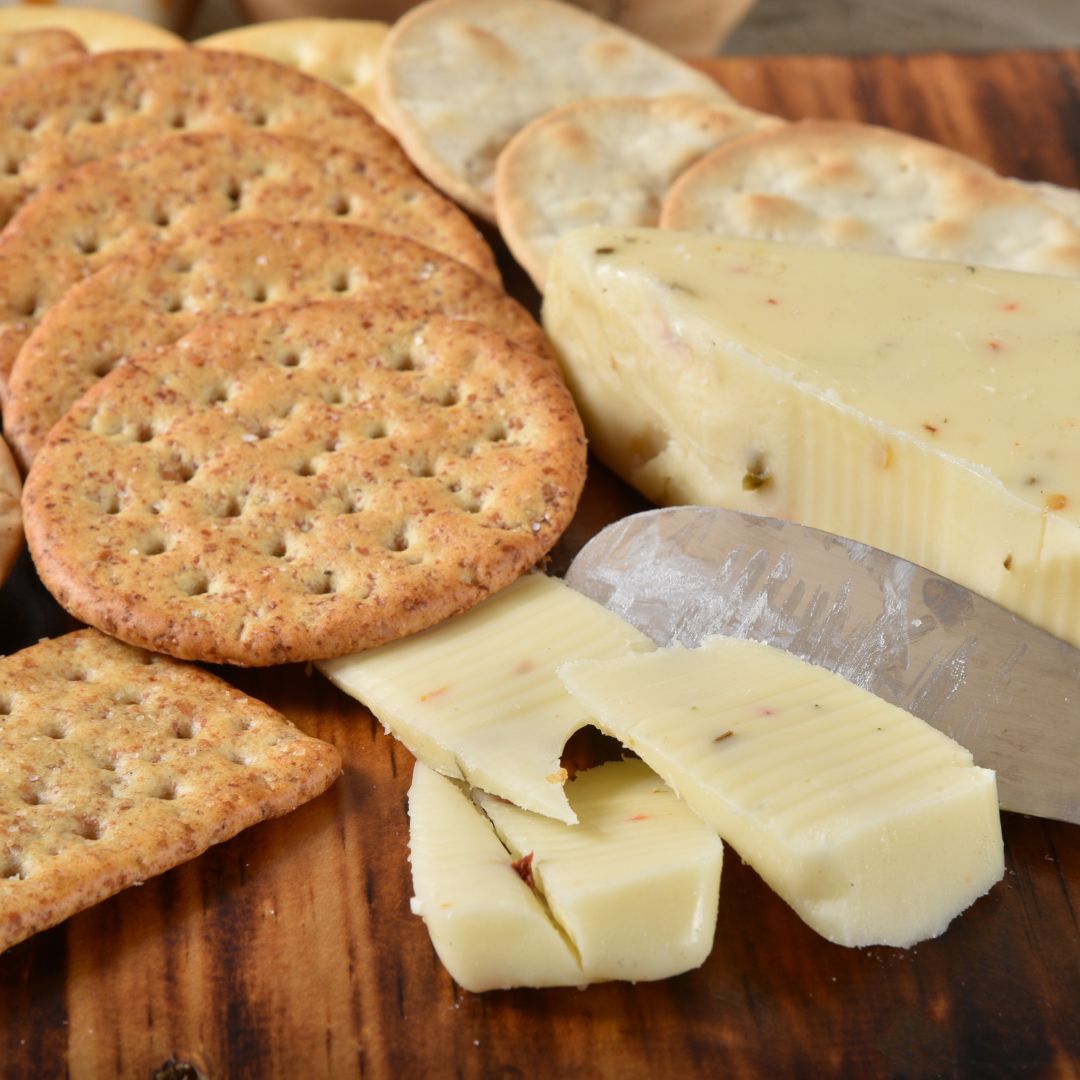
While dairy products offer a robust source of protein, you shouldn't overlook the diverse array of plant-based options that can also meet your protein needs effectively. If you're aiming for about 20 grams of protein in a snack, consider incorporating tofu alternatives and legume snacks into your diet. These options are not only nutritious but also versatile and accessible.
Tofu, made from soybeans, is a fantastic source of complete protein and can easily be incorporated into various dishes. For a quick snack, try marinated tofu cubes—simply soak them in your favorite seasonings and bake or sauté until crispy. Each 100-gram serving of firm tofu typically offers around 8 grams of protein, so doubling up can get you close to your target.
Legumes like chickpeas, lentils, and black beans are also excellent sources of protein. Roasted chickpeas, for instance, can be a crunchy, satisfying snack. Just toss them with a little olive oil and your choice of spices, and roast until golden. Not only are they packed with protein, but they're also high in fiber and can help keep you feeling full longer.
Below is a table outlining some top plant-based protein sources suitable for snacks:
| Snack Option | Protein Content (per 100g) |
|---|---|
| Marinated tofu cubes | 16 grams |
| Roasted chickpeas | 19 grams |
| Baked lentil crisps | 15 grams |
| Spiced black bean dip | 8 grams |
| Almond butter spread | 21 grams |

Meat and Fish Snacks
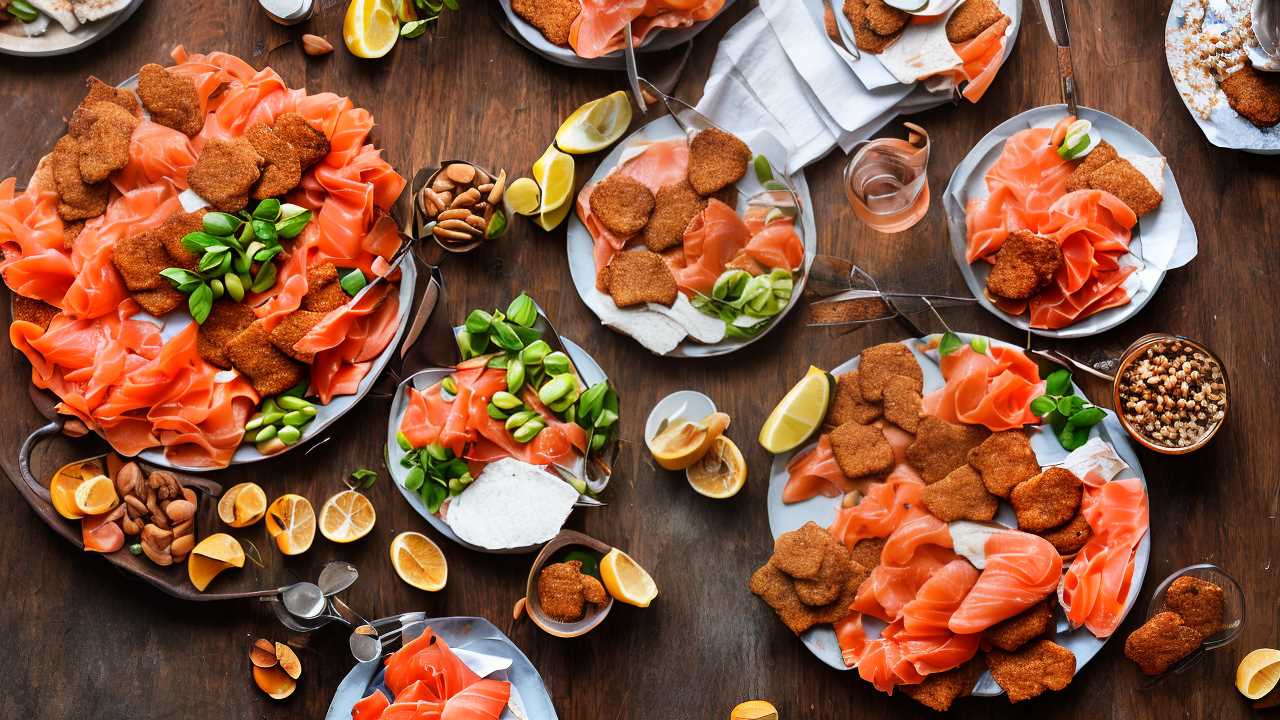
If you're looking to include more protein in your snacks, don't overlook the traditional favorites: meat and fish. These sources aren't only rich in protein but also provide essential nutrients that help in muscle repair, immune support, and overall health maintenance.
Among the most convenient and protein-rich options are jerky varieties and fish sticks. Jerky, made from lean cuts of meat that are dried and seasoned, is a stellar choice. It's portable, has a long shelf life, and can provide around 10-15 grams of protein per serving. If you're looking for a flavorful twist on traditional jerky, consider the Peppered Beef Jerky from CheeseButtas, known for its savory, spicy kick that adds a delicious complexity to your snack time.
Fish sticks aren't just for kids; they can be a nutritious part of an adult's diet too, especially when they're made from whole, minimally processed fish.
Here are some practical tips for incorporating these high-protein snacks into your diet:
- Choose wisely: Opt for jerky varieties without added sugars and minimal preservatives. Look for fish sticks that are oven-baked rather than fried.
- Portion control: Keep your servings in check. A few pieces of jerky or a couple of fish sticks can quickly add up.
- Balance your snacks: Combine these protein-rich snacks with a source of fiber like raw veggies or a piece of fruit to keep you fuller longer.
- Homemade options: Consider making your own jerky or fish sticks at home to control the ingredients and avoid unnecessary additives.
- Nutrient pairing: Pair your meat or fish snack with a healthy fat, such as avocado or nuts, to enhance satiety and nutrient absorption.
Incorporating these snacks into your diet can help you meet your protein needs in a delicious and convenient way, supporting your health and your service to others.
Quick Protein-Packed Recipes
Your busy schedule doesn't have to compromise your nutrition goals, especially when you can whip up quick protein-packed recipes in no time. Focusing on nutritional timing and portion control, here are a couple of recipes to help you maintain your energy levels and support muscle repair throughout your hectic day.
First up is the Greek Yogurt Berry Parfait. You'll need 1 cup of plain Greek yogurt (about 20 grams of protein), a handful of mixed berries, and a tablespoon of flaxseeds. Layer the yogurt and berries in a cup, and sprinkle flaxseeds on top. This not only hits your protein mark but also incorporates antioxidants and fiber, making it a balanced snack for any time of the day.
Next, try the Quick Chickpea Salad. Rinse and drain a can of chickpeas, then mix with diced cucumber, cherry tomatoes, and a spoonful of pesto for flavor. With chickpeas packing about 15 grams of protein per cup, portion control is easy to manage, ensuring you don't overeat while still getting sufficient protein.
Both recipes are designed to be assembled in minutes, making them perfect for those moments when you need a nutritious boost but are pressed for time. They respect the principles of nutritional timing, providing a good mix of protein, fats, and carbohydrates to fuel you optimally.

Frequently Asked Questions
How Much Protein Do I Need Daily?
To determine your daily protein needs, start by considering your weight, activity level, and overall health.
Generally, protein intake guidelines suggest 0.8 grams per kilogram of body weight. If you're active or aiming to build muscle, you'll need more.
Choose a variety of daily protein sources like lean meats, legumes, and dairy to ensure a balanced intake. Meeting these needs helps maintain your health and supports those you care for, reflecting your commitment to serving others.
Can High-Protein Snacks Help With Weight Loss?
Yes, incorporating high-protein snacks can indeed help with weight loss. By choosing smart protein sources and timing your snacks effectively, you'll boost satiety and reduce overall calorie intake.
Opt for foods like Greek yogurt or a handful of almonds, which aren't only nutritious but also practical for on-the-go eating. Eating these between meals can curb hunger and prevent overeating at mealtime, supporting your weight loss efforts while nourishing your body.
Are Protein Snacks Suitable for Kids?
Absolutely, protein snacks are great for kids. They need essential amino acids for growth and development.
Consider incorporating natural protein sources like Greek yogurt, nuts, and lean meats into their diets. Quick snack ideas include cheese sticks or hummus with veggies.
It's practical to balance their intake throughout the day and ensure they're getting a variety of nutrients. Always aim for whole foods over processed options to maximize health benefits.
Do Protein Snacks Have Any Side Effects?
Protein snacks can sometimes cause side effects, especially if you're not careful with protein absorption and snack timing.
Consuming high-protein snacks without considering your overall dietary needs might lead to digestive discomfort or more serious health issues.
It's crucial to balance your intake throughout the day.
Aim to serve others by sharing this practical advice to ensure they're informed about the potential impacts of their dietary choices on their health.
How Do I Balance Protein Intake With Other Nutrients?
To balance your protein intake with other nutrients, focus on diversifying your protein sources and mastering nutrient timing.
Include plant-based proteins like lentils or quinoa and animal-based options like fish or yogurt in your meals.
It's crucial to spread protein consumption throughout the day, alongside carbs and fats, to optimize absorption and support overall health.
This approach ensures you're not just meeting your protein needs but also getting a well-rounded nutrient profile.
Conclusion
Now, you've got the tools to power up your snacks with 20 grams of protein! Choose creamy Greek yogurt, or embrace hearty legumes. If meat's your thing, lean jerky can be your go-to. Why not whip up a quick protein-packed smoothie? Each option not only satisfies hunger but fuels your body efficiently. Remember, integrating these high-protein snacks into your diet isn't just filling—it's a smart, health-conscious move that supports your overall well-being. Start today and feel the difference!