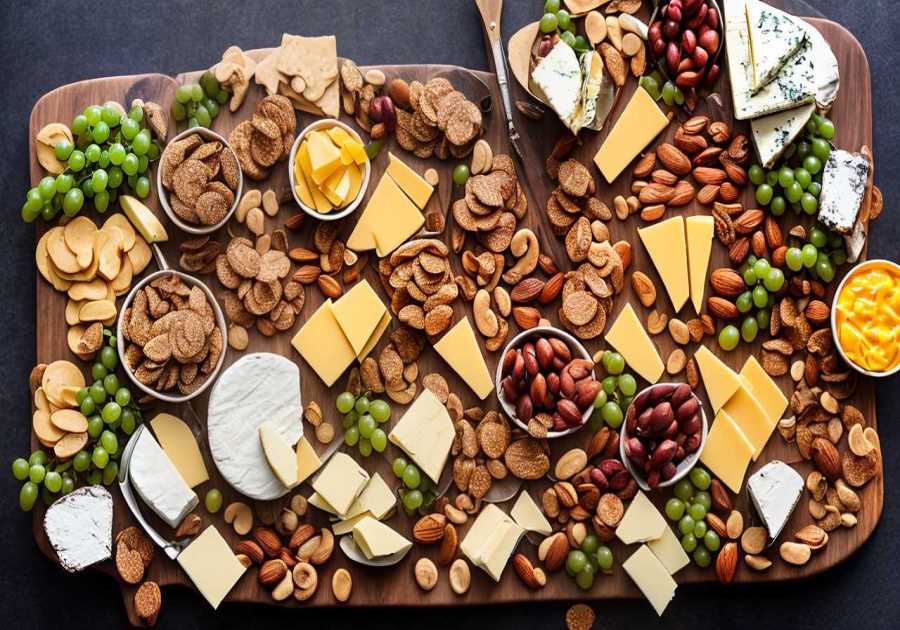
Cheese Lovers Rejoice: Discover the Secret to Healthy Indulgence!
Cheese lovers, you're in for a treat! Imagine indulging in your favorite cheeses without the usual guilt. It's possible, and I'll show you how. By opting for cheeses that are both flavorful and low in calories, you're not only satisfying your taste buds but also contributing to your health. Pair these selections with the right foods, and you elevate their taste to a whole new level. But there's a twist to making these choices truly transformative for your diet. Stick around, and I'll reveal how to turn every cheesy bite into a step towards wellness.
Why Choose Healthy Cheese Snacks
Why opt for healthy cheese snacks? Well, you're in for a delightful journey through the world of cheese varieties that aren't only delicious but also smart choices for your snacking habits.
When you explore the assortment of cheeses available, you discover that each type offers its own unique flavor and texture, perfect for different snack pairings.
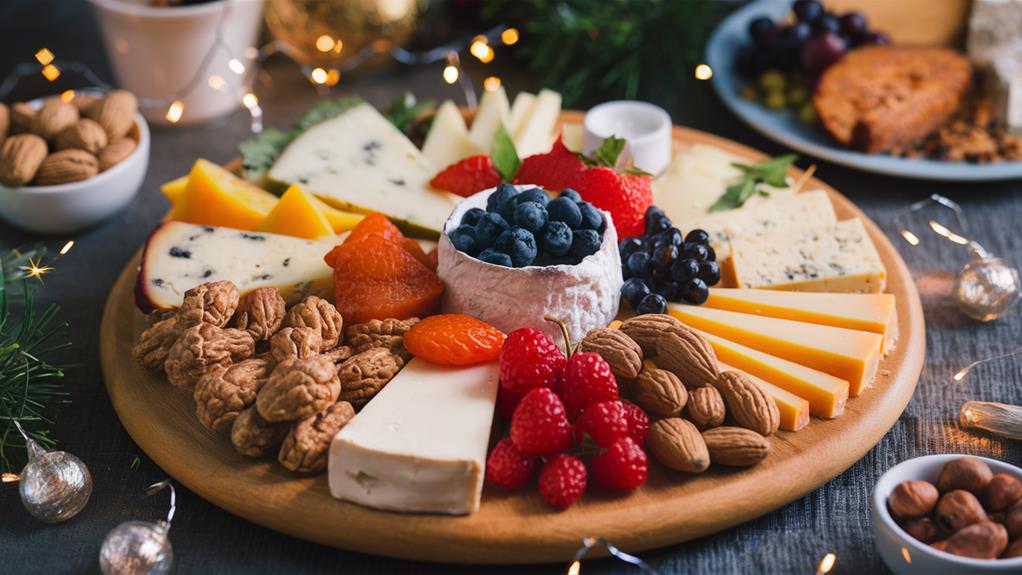
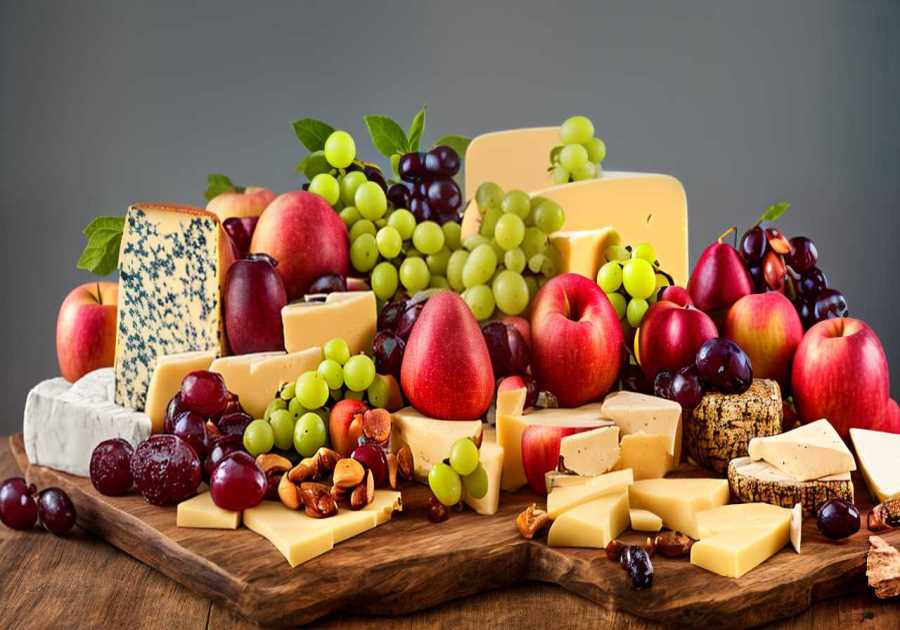
Imagine pairing a crisp apple with a slice of sharp cheddar; the tangy fruit complements the rich, creamy cheese in a way that's both satisfying and nutritious.
Or perhaps you'd prefer some whole-grain crackers topped with gouda, where the nutty, buttery cheese meets the crunchy, earthy crackers in a heavenly match. These combinations aren't just tasty; they're also packed with essential nutrients.
For those on dietary restrictions, KETO and gluten-free options are available, ensuring that everyone can enjoy these gourmet flavors without compromise.
You can also explore softer cheeses like mozzarella or feta, which are delightful with cherry tomatoes or olives, creating a Mediterranean-inspired snack that's both invigorating and filling.
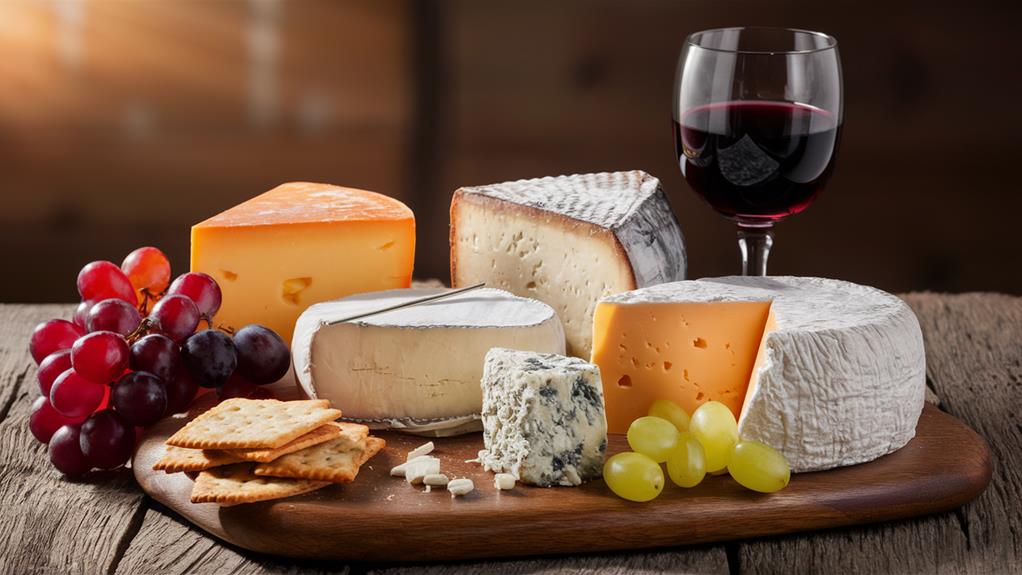
Each pairing not only tantalizes your taste buds but also provides a balanced intake of proteins, fats, and carbohydrates.
Benefits of Low-Calorie Cheeses
Consider the advantages of low-calorie cheeses if you're aiming to maintain a healthier diet without sacrificing flavor. Often, cheese is dismissed as a high-fat and calorie-dense indulgence, but low-calorie options provide a delightful exception.
These cheeses still pack a flavorful punch, making them perfect for various cheese pairings, enhancing meals without the guilt.
Here are some reasons why you should consider them:
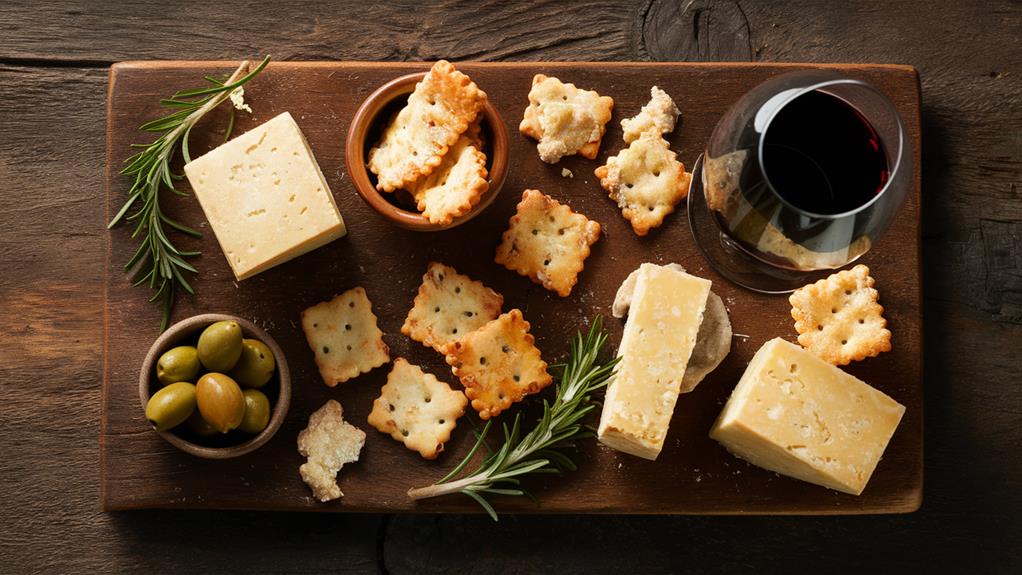
- Weight Management: Low-calorie cheeses contain fewer calories per serving, which can help you manage your weight more effectively. They allow you to enjoy your cheese without overloading on calories.
- Versatility in Meals: These cheeses are incredibly versatile. Whether you're sprinkling feta on a salad or melting mozzarella on a chicken dish, they integrate well with many recipes and enhance flavor without adding excessive calories.
- Rich in Nutrients: Despite their lower calorie content, these cheeses still offer essential nutrients, including calcium and protein, which are crucial for bone health and muscle repair.
- Satisfying Cravings Healthily: You don't have to cut out cheese to stay healthy. Low-calorie cheeses satisfy those creamy cravings and are a smarter choice for maintaining a balanced diet.
Incorporating low-calorie cheeses into your diet means you don't have to compromise on taste while you keep your calorie intake in check.
Top Healthy Cheese Snack Recipes
With the benefits of low-calorie cheeses in mind, let's explore some top healthy cheese snack recipes that are both delicious and easy to prepare. Whether you're looking for a quick bite or something to impress at your next gathering, these snack alternatives are sure to delight.
Here's a handy table with recipes and their cheese pairings:
| Recipe | Cheese Pairing |
|---|---|
| Apple & Cheddar Slices | Sharp low-fat cheddar |
| Cottage Cheese & Pineapple | Low-fat cottage cheese |
| Baked Mozzarella Sticks | Part-skim mozzarella |
| Greek Yogurt Cheese Dip | Strained Greek yogurt cheese |
| Caprese Skewers | Low-moisture part-skim mozzarella |
These recipes focus on pairing nutritious, low-calorie cheeses with fresh ingredients, enhancing both flavor and health benefits without compromising on taste. For instance, apple slices with a sharp, low-fat cheddar offer a satisfying crunch with creamy decadence, while baked mozzarella sticks provide a comforting, gooey snack without all the guilt. The Greek yogurt cheese dip, when paired with raw veggies, makes for a revitalizing and protein-rich treat. So, you've got no excuse not to whip up these simple, tasty treats that keep both your taste buds and your health in check!

Essential Ingredients for Flavor
To elevate your healthy cheese snacks, incorporating key flavor-enhancing ingredients is essential. You're not just looking for taste; you want to complement and bring out the best in the cheese textures and flavor profiles. Here's how you can do just that:
- Fresh Herbs: Think basil with mozzarella or rosemary with aged cheddar. Fresh herbs not only add a burst of flavor but also enhance the natural tastes of different cheeses without overpowering them.
- Nuts: Almonds, walnuts, or pecans offer a delightful crunch and a nutty essence that pairs wonderfully with the creaminess of cheeses. They help accentuate the cheese's depth without altering its fundamental character.
- Fruits: Whether it's slices of apple with gouda or dried apricots with blue cheese, fruits can provide a sweet or tart contrast that highlights complex cheese flavors.
- Olives and Pickles: These briny additions are perfect for cutting through the richness of softer, more decadent cheeses. They add a savory note that can balance the palate and enhance the overall sensory experience.
Enhancing Taste Without Calories
Enhancing the flavor of your healthy cheese indulgences doesn't have to add extra calories. You can elevate taste profiles and introduce texture contrasts without the guilt. Let's explore some culinary creativity using savory additions and guilt-free toppings.
Consider cheese alternatives like nutritional yeast or vegan cheese spreads that mimic the creamy, savory attributes of traditional cheeses but with fewer calories. Employing seasoning strategies such as adding herbs and spices can greatly enrich the flavor without piling on the calories.
Here's a handy table to guide your healthy pairings and flavor enhancers:
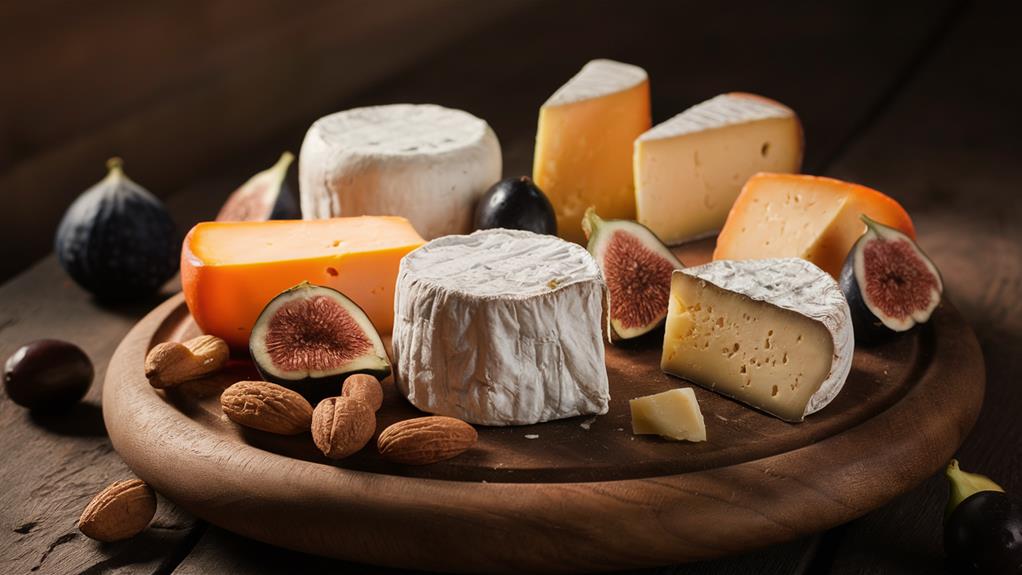
| Enhancer Type | Example | Pairing Suggestion |
|---|---|---|
| Herbs | Basil, Thyme | Fresh mozzarella |
| Spices | Smoked Paprika | Cheddar cheese spread |
| Cheese Alternatives | Nutritional Yeast | Popcorn, pasta |
| Texture | Sliced Radishes | Soft cheese platters |
Balancing Diet With Cheese Indulgence
Balancing your diet while indulging in cheese can seem challenging, but it's entirely possible with some thoughtful choices. By selecting the right cheese varieties and incorporating healthy pairings, you can enjoy cheese without compromising your nutritional goals.
Here are four key strategies:
- Choose Lower Fat Options: Opt for cheeses like mozzarella, ricotta, or feta. These varieties offer the creamy texture and delicious taste you crave, but with fewer calories and less saturated fat.
- Pair with Fruits and Vegetables: Enhance the flavor and nutritional value of your cheese indulgence by pairing it with fruits like apples, pears, or grapes, and vegetables like celery and carrots. This not only balances the meal but also helps in digestion.
- Incorporate Whole Grains: Serve your cheese with whole grain crackers or bread. The fiber in whole grains complements the protein in cheese, making for a more satisfying and healthful snack.
- Experiment with Herbs and Spices: Instead of relying on extra cheese for flavor, use herbs and spices. Adding ingredients like basil, oregano, or black pepper can elevate your dish while keeping it healthy.
Portion Control Tips for Cheese Lovers
While adopting healthy habits with cheese, it's equally important to focus on how much you consume. Managing portion sizes can make the difference between a delightful treat and a diet setback. Here's how you can keep indulging without overdoing it.
First off, visualize the proper portion size. A serving of cheese is typically the size of two dice, roughly 1.5 ounces. When you're at home, use a kitchen scale initially to get a feel for this weight. Eventually, you'll be able to eyeball it without the scale.
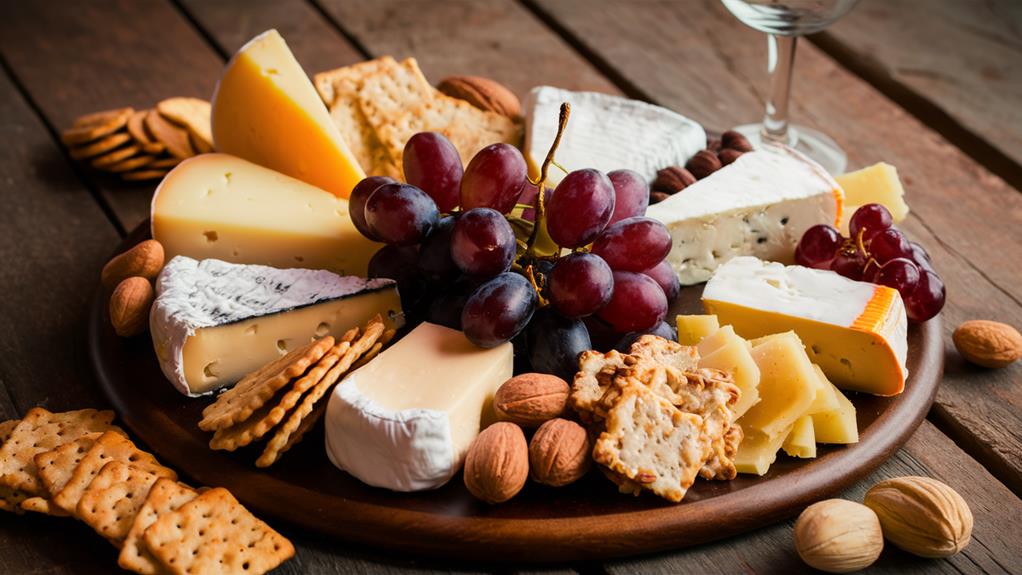
When it comes to cheese pairings, they're your best friend for maintaining control. Pair a small slice of cheese with high-fiber foods like apple slices or whole grain crackers. This not only enhances the flavors but also fills you up faster and prolongs the enjoyment without going overboard.
Also, consider using cheese as a garnish rather than the main event. Sprinkle grated cheese over salads or steamed vegetables. This method allows you to enjoy the taste of cheese with every bite, but with far fewer calories than a big chunk.
Best Cheeses for Weight Management
If you're aiming to manage your weight but don't want to give up cheese, opt for varieties that are lower in fat and calories. Here are some top choices that not only fit well within a weight management diet but also satisfy your cheese cravings:
- Cottage Cheese: This is a stellar choice for cheese lovers watching their weight. It's high in protein, which helps keep you feeling full longer, and it's available in low-fat versions. You can enjoy it plain or mixed with vegetables.
- Feta Cheese: Typically made from sheep or goat milk, feta is a tangy option that's lower in calories than many other cheeses. It's great crumbled over salads or served with sliced cucumbers.
- Mozzarella (Part-Skim): Opt for the part-skim version to cut down on fat without sacrificing taste. This cheese is versatile, protein-packed, and perfect for melting over your favorite dishes.
- Ricotta (Low-Fat): This is another excellent cheese alternative that's lighter than its full-fat counterpart. It works well in recipes that call for a creamy texture, adding richness without the extra calories.
Creative Serving Ideas for Cheese
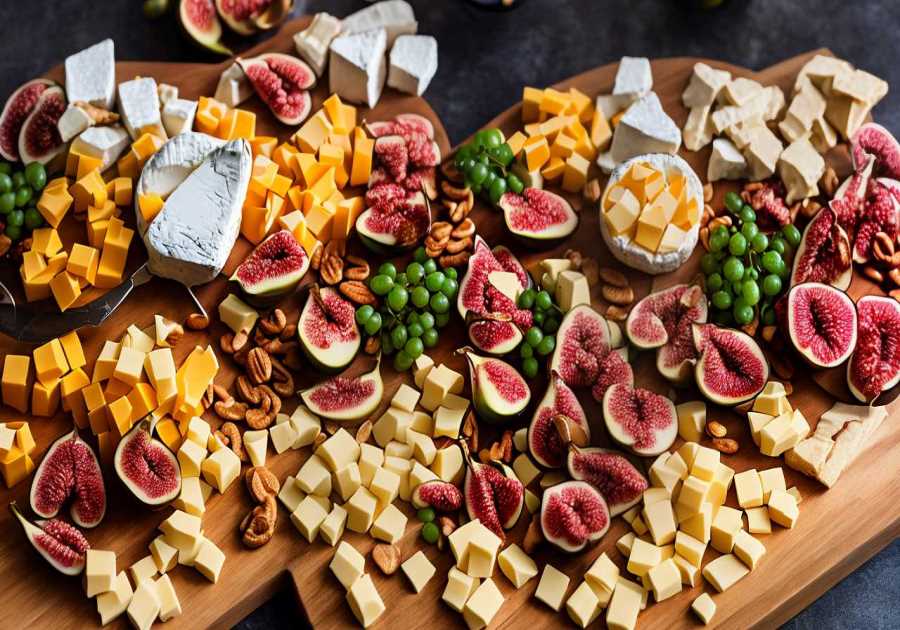
Now that you've selected cheeses that align with your weight management goals, let's explore some innovative ways to serve them. You can elevate your cheese experience by focusing on creative platters and thoughtful cheese pairings that not only taste great but also look stunning.
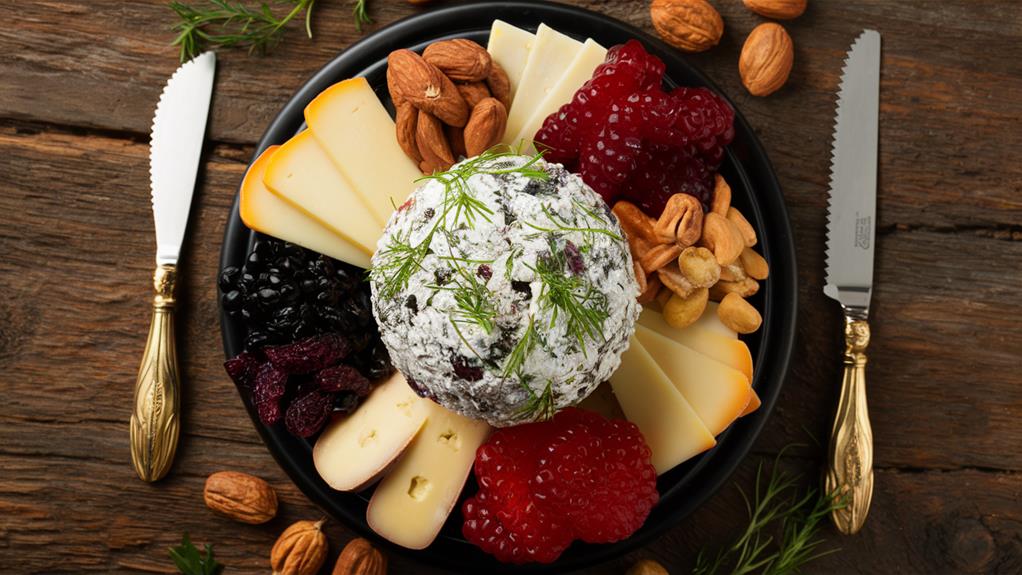
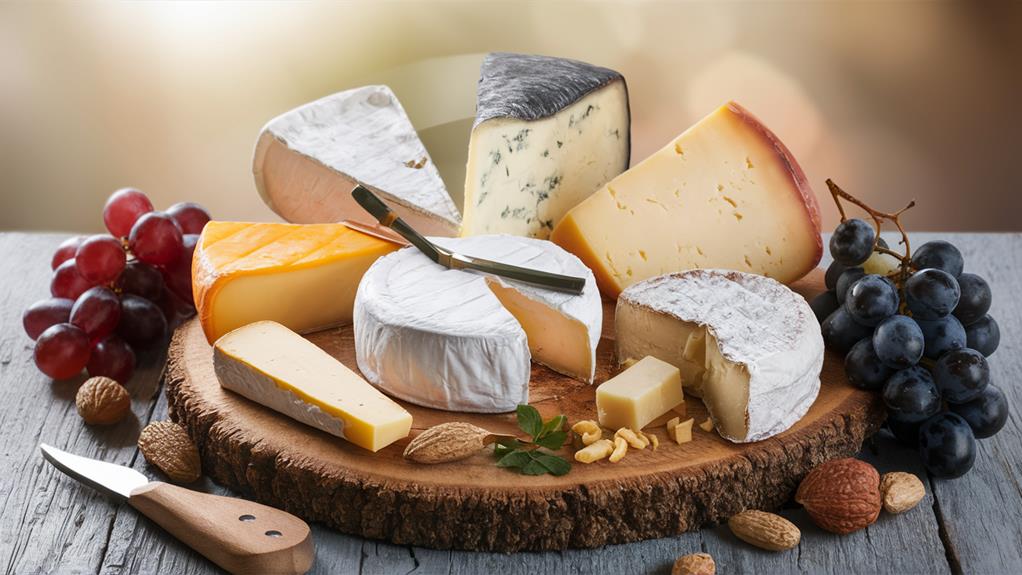
Start with a base of mixed greens or thinly sliced cucumbers as a revitalizing backdrop to your cheese selections. This not only adds a crunch but also balances the richness of the cheese. For a pop of color and a hint of sweetness, scatter some fresh berries or dried fruits around the cheeses. They're perfect for enhancing the natural flavors of your cheese without adding too many extra calories.
When considering cheese pairings, think beyond the typical crackers. Try nutty whole-grain breads or crisp apple slices for a wholesome crunch. These alternatives provide a healthier way to enjoy cheese while keeping your creative platters looking and tasting vibrant.
Don't forget to add a small bowl of mixed nuts or olives to your platter. These not only complement the cheeses but also offer healthy fats and a satisfying texture contrast.
With these ideas, you'll surely impress your guests and treat yourself to a delicious, balanced indulgence.
Understanding Cheese Nutrition Labels
Before diving into your next cheese purchase, it's important to understand how to read nutrition labels on cheese products. Steering through the nutritional breakdown of cheese can make your indulgence both enjoyable and healthy.
Here's a quick guide to making sense of what's on the label:
- Serving Size: Start by looking at the cheese serving size, which is usually measured in grams or ounces. This helps you gauge how much you're consuming compared to the nutritional information provided.
- Calories: Check the calorie count per serving. If you're watching your intake, this helps you manage your energy consumption effectively.
- Fat Content: Cheese is known for its fat, but the type matters. Look for the amount of saturated fat and trans fat. Opting for cheeses with less saturated fat can be a healthier choice.
- Sodium and Protein: Cheese can be high in sodium, so keep an eye on this number, especially if you're managing blood pressure. Also, cheese is a good source of protein, so note this value to maximize your nutritional benefits.
Understanding these labels guarantees that you can enjoy cheese in a way that fits your health goals.
Frequently Asked Questions
Can Cheese Allergies Be Managed While Still Enjoying It?
If you're dealing with cheese allergies but still want to enjoy it, you should first understand the symptoms like hives, stomach issues, or difficulty breathing.

To manage your cheese consumption, try introducing small amounts of cheeses with lower allergenic potential, like those made from goat's milk.
Always consult with an allergist to safely incorporate suitable cheese varieties into your diet and guarantee you aren't risking severe allergic reactions.
Are There Vegan Alternatives That Mimic Cheese Flavors?
Yes, there are vegan alternatives that closely mimic cheese flavors and offer nutritional benefits.
You'll find products like nut-based cheeses that capture rich, creamy textures and diverse flavor profiles.
These alternatives often include ingredients like cashews, almonds, and coconut oil, which help replicate the taste and feel of traditional cheese.
They're a great option if you're looking to enjoy cheese-like flavors without dairy.
Try exploring different brands to find your favorite!
How Does Cheese Consumption Affect Lactose Intolerance?
If you're lactose intolerant, consuming cheese can be tricky. Different cheese varieties affect lactose digestion differently.

Hard cheeses like cheddar contain less lactose and mightn't upset your stomach as much. However, softer cheeses like brie could cause discomfort due to higher lactose levels.
You'll have to experiment a bit to see what your body can handle, but starting with aged or harder cheeses might help you enjoy cheese without the usual woes.
What Are the Environmental Impacts of Cheese Production?
Cheese production greatly impacts environmental sustainability. You must consider how the dairy industry contributes to deforestation, water pollution, and greenhouse gas emissions.
The production processes, from farming to packaging, use considerable resources and energy. By choosing cheeses from sources that prioritize eco-friendly practices, you can help mitigate these effects.
Is Cheese Safe During Pregnancy?
When it comes to pregnancy safety, not all cheese types are safe to eat.
You should avoid unpasteurized cheeses, which can harbor bacteria like Listeria. These include soft cheeses like Brie, Camembert, and blue-veined varieties.
However, pasteurized cheeses are generally safe and can be a good source of calcium.
Always check the labels to verify they're pasteurized, and when in doubt, consult your healthcare provider for personalized advice.

Conclusion
So, you've got the insider scoop on turning your cheese cravings into healthy indulgences! By picking low-calorie cheeses and pairing them with fresh, nutritious companions, you're all set to enjoy delicious snacks without the guilt. Remember, it's all about moderation and creativity in serving. Keep an eye on those labels to stay informed and make smart choices. Immerse yourself in these cheese adventures, and revel in the rich flavors while keeping your health in check!
_7.png)