Cheese Lover's Guide: Mastering the Art of Snacking Selection
In your quest to become a savvy cheese snacker, you've likely pondered over the vast assortment of cheeses available. From understanding the subtle differences that distinguish a sharp cheddar from a smooth Gouda to mastering the pairing of the perfect wine or accompaniment, there's much to contemplate. You'll find that the texture, origin, and age of cheese greatly influence your snacking experience. But how do you guarantee you're selecting the best product from your local market or cheese shop? The answer lies in a few key strategies that not only enhance the flavors but also elevate your entire culinary journey. What might these strategies be? Let's explore.
Importance of Cheese Selection
Understanding the importance of cheese selection can greatly enhance your culinary experiences. When you explore the origins and regions of cheese, you're not just picking out a dairy product; you're starting on a flavorful journey across cultures and landscapes.
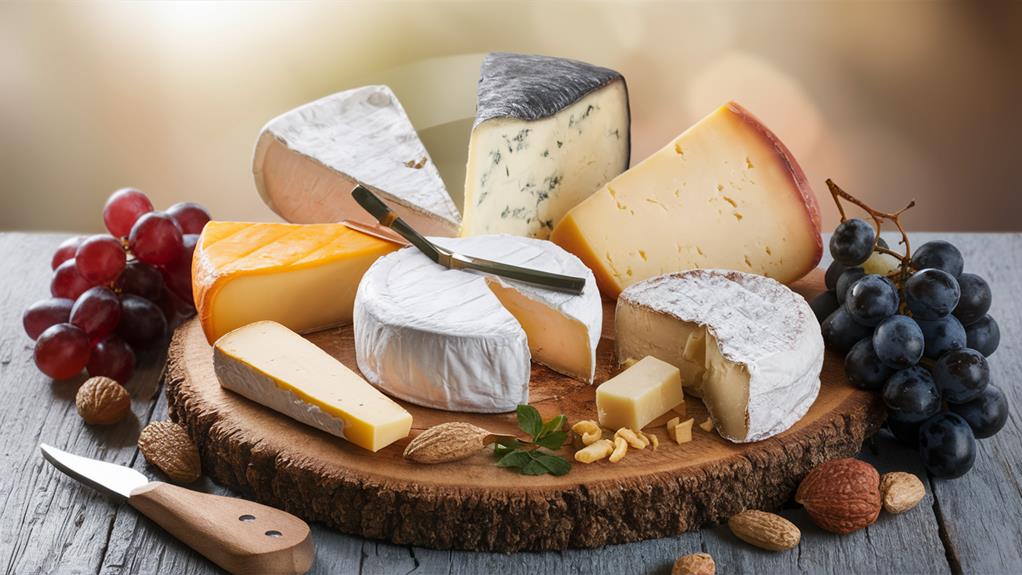
Each region offers its unique take on cheese, influenced by local climates, flora, and centuries-old traditions. For instance, the lush pastures of France's Normandy region give rise to creamy Camembert, while the arid plains of Spain produce the firm and tangy Manchego.
In similar pursuit of distinctive flavors, CheeseButta's array of gourmet flavors are crafted to elevate both casual and special occasions, bringing a touch of joy and connection through food.
Investigating cheese origins means you'll appreciate more than just the taste. You're experiencing a piece of the area's history and geographical character.
Knowing whether a cheese comes from the volcanic soils of Italy's Sicily or the alpine meadows of Switzerland can transform your enjoyment, turning each bite into a story.
Researching Different Cheese Types
Exploring various cheese types is the next step in enriching your culinary palette. As you investigate the world of cheese, you'll discover that understanding cheese origins and textures is key to appreciating this diverse food group. Each cheese type brings its own history and methods of production that influence its characteristics.

Start by researching where different cheeses come from. For instance, did you know that Roquefort, a tangy blue cheese, is produced exclusively in the south of France? Or that Gouda, known for its rich, creamy texture, originates from the Netherlands? Knowing the geographical roots of these cheeses can add an intriguing layer to your snacking experience.
Next, focus on the textures, which vary widely from one cheese to another. You've got hard cheeses like Parmesan, which are aged longer to achieve a granular texture, and soft cheeses such as Camembert, which are creamier and spread easily.
Understanding these textures will help you better pair cheeses with other foods and beverages, enhancing your snacking sessions.
Understanding Cheese Flavor Profiles
After grasping the origins and textures of different cheeses, you'll find that discerning their flavor profiles further enriches your culinary adventures.

Delving into the world of cheese terroir, you'll uncover how the environment where the cheese is produced—soil, climate, and vegetation—affects its flavor. For instance, a cheese made in the lush pastures of France might carry subtle hints of the herbs that grow there, giving it a unique, earthy character that can't be replicated elsewhere.
As you explore further, you'll learn that cheese aging, or affinage, is equally vital in developing these complex flavors. Young cheeses are generally milder, softer, and more moist, whereas aged cheeses develop a sharper, more pronounced taste and a firmer texture.
The aging process allows natural enzymes to break down the cheese components, intensifying flavors and altering textures.
Understanding these elements of cheese-making will help you appreciate the nuances of each bite. Whether you're savoring a creamy Brie or a robust Gouda, recognizing how terroir and aging influence what you taste enhances not just your enjoyment, but also your expertise in selecting the perfect cheese for any occasion.

Variety in Cheese Snacking
When you immerse yourself in the world of cheese snacking, the variety can be truly astonishing. Exploring the vast array of cheese textures and origins turns each snacking session into a delightful journey.
You'll find that cheeses from around the globe offer unique tastes and stories. Here's why diversity in your cheese selections enhances your snacking experience:
- Textures: From the creamy softness of Brie to the firm bite of aged Cheddar, the texture of a cheese can transform your snack into an event.
- Flavors: Cheese flavors can range from mild and buttery to sharp and tangy, each offering a distinct palate adventure.
- Origins: Cheeses like Italian Parmigiano-Reggiano or French Roquefort carry with them rich histories and production techniques that influence their unique profiles.
- Pairings: Discovering which beverages and foods harmonize with different cheeses can elevate your snacking to new culinary heights.
Don't be shy to mix it up. Try a soft cheese with crisp crackers one day and a hard, pungent cheese with sweet fruit the next.
Each combination not only tickles your taste buds but also broadens your understanding of global cheese cultures. Immerse yourself in the diversity of cheese, and you'll never look at snacking the same way again.

Checking Cheese Freshness
To guarantee you're enjoying the best quality cheese, it's crucial to check its freshness before indulging. Start by examining the cheese's appearance. Fresh cheese should have a vibrant, consistent color without any signs of drying out or cracking, which can indicate over-aging or poor storage.
Next, get hands-on with a gentle press on the cheese surface. It should feel firm or slightly springy, depending on the type. Hard cheeses like Parmesan won't have much give, but they shouldn't feel like a rock either.
For softer cheeses such as Brie, they should yield slightly under pressure but not be mushy or ooze liquid, which can suggest they've passed their prime.
Smell is another critical component of sensory evaluation. Fresh cheese will have a clean, appealing scent. If it smells sour or ammonia-like, it's likely overripe or has been kept too long.

Lastly, give it a small taste. Fresh cheese should taste clean and follow the expected flavor profile for its type and stage of cheese aging. Any off-flavors or an overly bitter aftertaste can be a red flag that it's time to discard the cheese.
Buying From Reputable Sources
Often, the quality of cheese you enjoy starts with where you buy it. Sourcing your cheese from reputable vendors isn't just about getting a good product; it's about ensuring you're supporting ethical practices and getting the freshest, most flavorful options available.
When you're on the hunt for the best cheese, you'll want to ponder a few key sources:
- Artisan Producers: These are craftsmen who prioritize quality over quantity. They often use traditional methods that have been passed down through generations.
- Local Dairies: Supporting local businesses isn't just good for the economy; it often means your cheese hasn't traveled long distances, keeping it fresher.
- Specialized Cheese Shops: These shops typically have knowledgeable staff who can provide valuable insights into the cheese-making process and help you make informed choices.
- Farmers Markets: A great place to find unique and seasonal varieties directly from the producers.
Pairing Cheeses With Accompaniments
After you've sourced your high-quality cheese from a reputable vendor, the next step is to enhance its flavors with the right accompaniments. A well-curated cheese board isn't just about the cheese itself; it's about the harmony created between the cheese and its pairings.
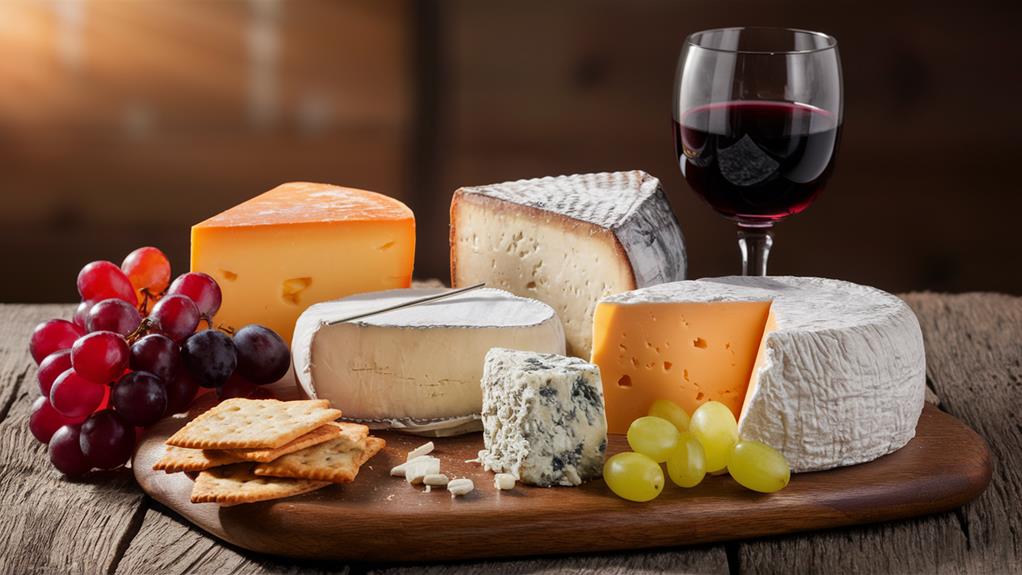
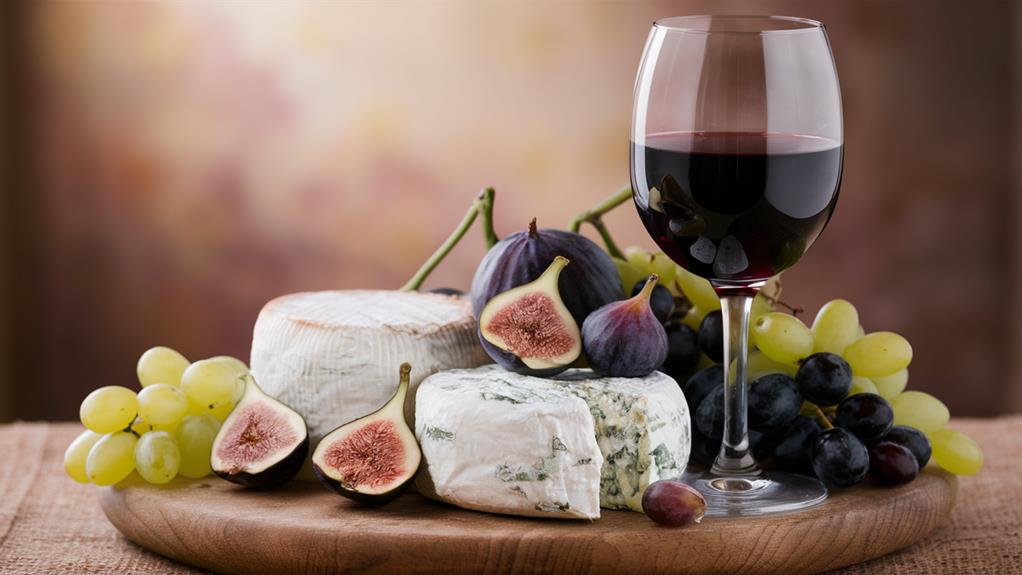
When you think of a classic cheese and wine pairing, the key is balance. A robust, aged cheddar pairs beautifully with a full-bodied red wine, while a delicate brie complements a crisp white.
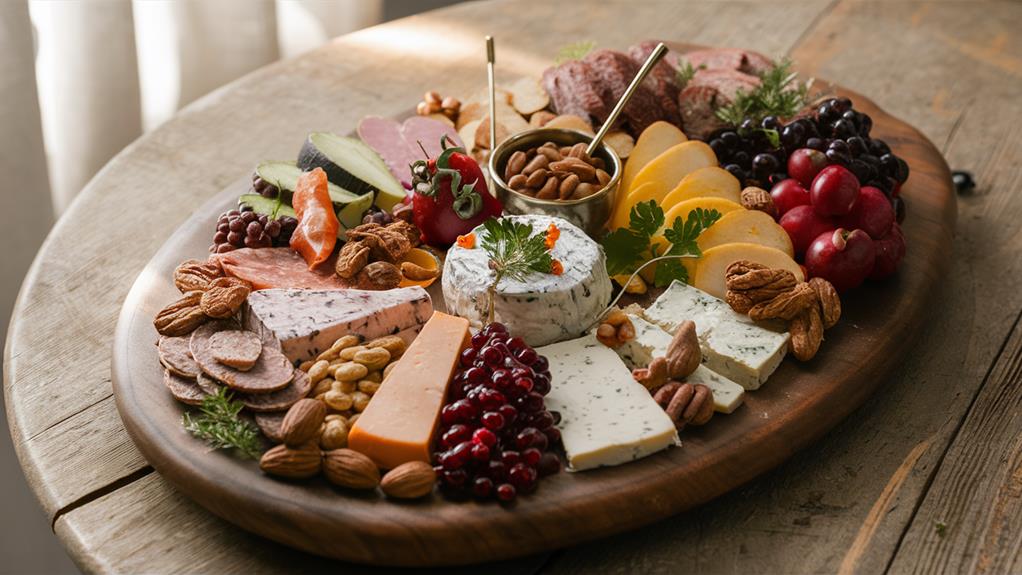
Don't stop at wine—think of fruits, nuts, and preserves. A slice of sharp Gouda goes hand in hand with the sweetness of apple slices or the tartness of cranberries. Almonds or walnuts add a satisfying crunch that contrasts wonderfully with the creaminess of Camembert or blue cheese.
For a touch of sweetness, honey drizzled over goat cheese transforms it into a decadent treat.
As you assemble your cheese board, consider texture and color as well. Vibrant grapes and dark chocolate provide visual appeal and taste sensations that keep the palate intrigued.

Storing Cheese Correctly
Storing your cheese correctly is essential to maintaining its flavor and texture. The longevity and quality of your cheese depend heavily on how you handle cheese storage. To guarantee that every slice stays as delicious as intended, you've got to keep a few key pointers in mind.
Here's how you can master the art of cheese storage:
- Keep it cool and constant: Store your cheese in the coolest part of your refrigerator. The ideal temperature is usually between 34°F and 38°F. Avoid the fridge door, as temperatures there tend to fluctuate.
- Wrap it right: Use cheese paper or parchment paper for wrapping. This helps the cheese breathe and reduces the risk of it drying out. Avoid plastic wrap if possible, as it can cause the cheese to sweat and degrade its quality.
- Separate strong smells: Store strong-smelling cheeses like blue cheese away from milder varieties to prevent flavor crossover.
- Regular checks: Regularly check on your cheeses to verify they aren't drying out or developing mold prematurely. If they are, adjust their storage conditions.
Frequently Asked Questions
Can Cheese Snacking Aid in Weight Management?
Yes, cheese snacking can aid in weight management if you're smart about it.
Choosing the right cheese varieties and practicing portion control are key. Opt for cheeses that are lower in fat and calories, like cottage cheese or feta, and keep your servings small.
This way, you can enjoy the rich flavors without overloading on calories. Remember, moderation is essential, so don't go overboard, even with healthier options.
How Does Cheese Consumption Impact Lactose Intolerance?
If you're lactose intolerant, eating cheese can be tricky.
Generally, hard cheeses like cheddar contain less lactose and mightn't upset your stomach as much. However, softer cheeses could exacerbate your lactose sensitivity.
Paying attention to how different types affect your cheese digestion is key. Start with small amounts to see how your body reacts, and consider lactose-free options to enjoy cheese without discomfort.
Are There Vegan Alternatives for Popular Cheeses?
Yes, you can find vegan alternatives for most popular cheeses.
These substitutes often use nuts, soy, or tapioca to mimic the texture and flavor profiles of traditional cheeses.
They're designed to offer similar nutritional benefits too, including protein and calcium.
You'll notice variations in taste and texture, but many mimic their dairy counterparts quite well, allowing you to enjoy cheese platters, pizzas, and sandwiches without any animal products.
What Are the Environmental Impacts of Cheese Production?
When you consider cheese production, it's vital to recognize its environmental impacts. The process often involves significant water use, greenhouse gas emissions from dairy farms, and land degradation.
To enhance environmental sustainability, exploring less resource-intensive methods and supporting farms that prioritize eco-friendly practices becomes essential.
You can also look into plant-based alternatives that generally have a lower environmental footprint, helping to mitigate some of these concerns.
How Can Cheese Affect Cholesterol Levels?
Cheese can impact your cholesterol levels based on the types you choose.
Different cheese types have varying amounts of saturated fat, which can raise your LDL cholesterol, commonly referred to as the "bad" cholesterol.
Opting for low-fat or reduced-fat cheeses can help manage these levels.
It's also good to balance your diet with foods that boost HDL, the "good" cholesterol, to keep your heart health in check.
Conclusion
As you immerse yourself in the world of cheese, remember to savor each selection. Expand your palate by exploring different types and their unique flavor profiles. Always check for freshness and buy from trusted sources to guarantee top quality. Pair your cheeses thoughtfully with the right accompaniments and beverages to enhance the experience. Finally, store your cheeses properly to maintain their exquisite taste. Master these steps, and you'll elevate your snacking to an art form. Enjoy the journey!

_7.png)